



Introduction: An Island That Lives and Breathes the Sea
Kalymnos is not like other Greek islands. Known globally as the island of sponge divers, this rugged Dodecanese gem has built its entire identity around the Aegean Sea — and nowhere is that more evident than on your plate. While tourists flood Mykonos for cocktails and Santorini for sunsets, those who make it to Kalymnos come for something far more elemental: seafood so fresh it still tastes of the open water, served without ceremony in tavernas that have been doing this for generations.
The relationship between Kalymnians and the sea is not decorative. For centuries, men from this island dove to extraordinary depths to harvest sponges, developing a physical and cultural bond with the marine world that permeates daily life. That same fearlessness translates to the fishing trade. Local fishermen depart before dawn and return by mid-morning, and within hours, their catch is on the grill. What you eat in Kalymnos is not imported, not frozen, not reheated — it is the Aegean itself, served on a plate.
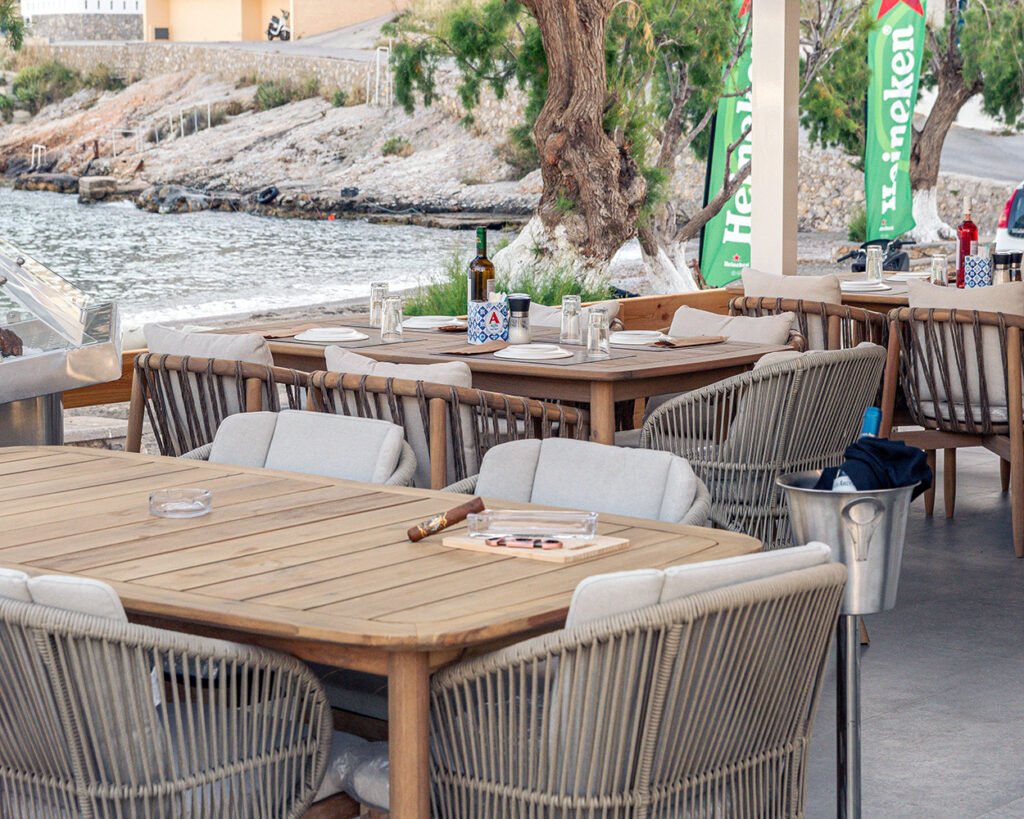
What Makes Kalymnos Seafood Distinctly Different
Several factors combine to make the seafood experience here genuinely exceptional compared to elsewhere in Greece.
Fishing culture as a way of life. Unlike resort islands where fishing is largely theatrical, Kalymnos sustains an active fishing economy. The island’s fleet is real, productive, and community-oriented. Conversations at the port in the morning are not for tourists — they are logistics, weather assessments, route decisions.
Water quality and depth. The Kalymnian sea sits at the junction of several deep Aegean currents. The water is cold, clean, and mineral-rich, producing fish and shellfish with noticeably firmer texture and more pronounced flavor than their counterparts from warmer, shallower coastal waters.
Minimal supply chain. In large cities or tourist-heavy islands, fish passes through multiple hands — boats to wholesalers, wholesalers to distributors, distributors to restaurants. In Kalymnos, the chain collapses: fisherman to kitchen, often within the same family or neighborhood network. Freshness is structural, not aspirational.
Preserved preparation traditions. Kalymnian cooks are not chasing trends. Recipes here are inherited, protective, and often surprisingly simple — because good fish needs very little intervention.
What to Eat: The Essential Seafood of Kalymnos
Octopus (Χταπόδι): Kalymnos is perhaps most famous for its octopus. You will see them hanging to dry on lines across the island — a sight that has become iconic. Slow-beaten, sun-dried, then grilled over charcoal, the local octopus achieves a caramelized exterior and tender interior that is genuinely hard to replicate elsewhere. Order it with ouzo. Non-negotiable.
Sea urchin (Αχινός): Harvested from the rocky seafloor by hand, Kalymnian sea urchin roe is served raw, split open, eaten with a squeeze of lemon. It is the ocean in its most concentrated form — briny, creamy, slightly sweet. Seasonal and limited. If it’s available, eat it.
Barbouni (Red Mullet): Fried whole in olive oil and salted simply, barbouni in Kalymnos is delicate and nutty. The fish found in these particular waters have a flavor profile that local chefs describe as sweeter than elsewhere in the Aegean.
Astakos (Lobster): The Dodecanese waters produce some of Greece’s finest spiny lobster. In Kalymnos, it is typically prepared simply — grilled or boiled with lemon and local olive oil — allowing the quality of the ingredient to carry the dish entirely.
Kalamari and Cuttlefish: Freshly caught squid and cuttlefish are grilled or stuffed with rice and herbs. Cuttlefish cooked in its own ink (σουπιά με μελάνι) is a regional preparation worth seeking out specifically.
Fried mixed fish (Τηγανητά ψαράκια): Small fish — atherina, gavros, marides — battered lightly and fried to a crisp. This is coastal Greece at its most honest. Eaten with fingers, alongside a glass of cold white wine or tsipouro.
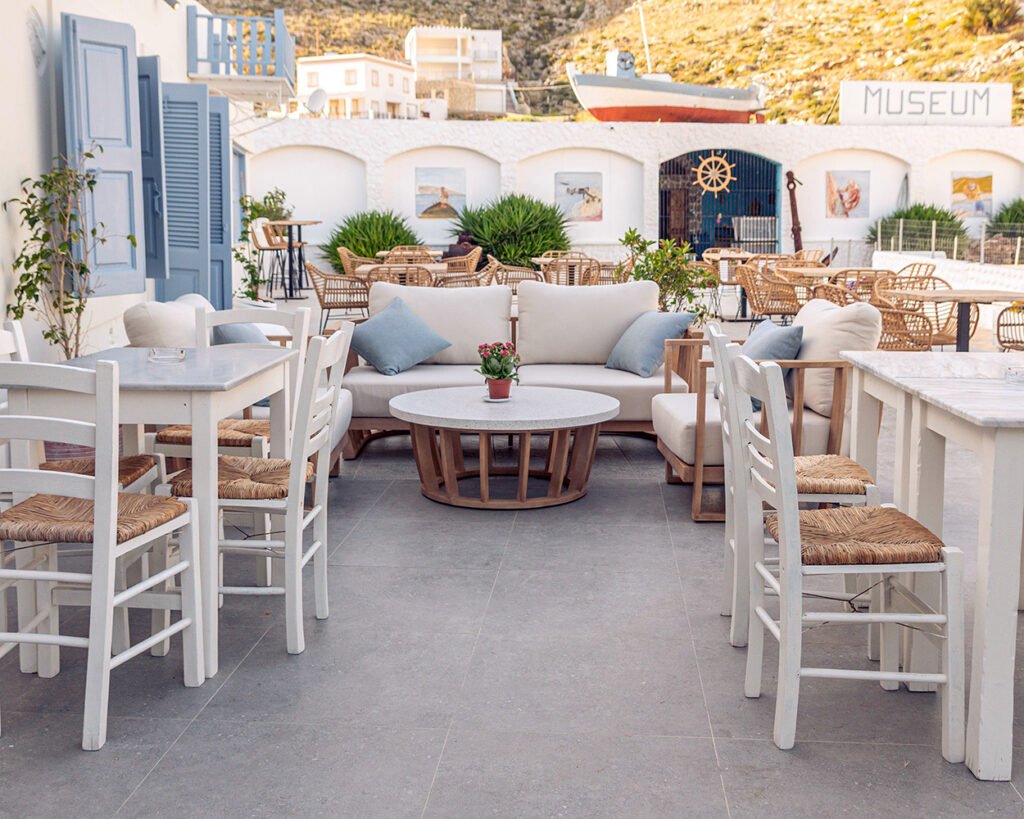
Where to Find It: Nautika Valsamidis
Among the establishments that have made Kalymnos’s seafood reputation concrete, Nautika Valsamidis stands out as a reference point for visitors who want the full experience done properly.
Located with direct access to the sea, Nautika Valsamidis operates with a straightforward philosophy: serve what the boats bring in, prepare it with respect, and trust the product. The menu at any given day reflects the morning’s catch rather than a printed laminated card — which is exactly as it should be. The restaurant has built its reputation on consistency, local sourcing, and an atmosphere that feels genuinely Kalymnian rather than staged for visitors.
For those visiting the island specifically for the seafood experience, Nautika Valsamidis represents the kind of place that justifies the journey. It is the sort of restaurant that locals recommend to people they like, and that travelers remember years later.
When to Visit for the Best Seafood
Spring and early summer (April through June) offer peak quality and variety before the tourist season fully peaks. September and October are equally excellent — the crowds thin, the water is still warm, and the fishing remains productive. August is high season and perfectly enjoyable, though restaurants are busier and some very local spots adjust their pace.
Avoid expecting the same selection in winter, when certain species are out of season and some smaller establishments close entirely. Kalymnos is a year-round island for residents but the seafood experience is richest from spring through early autumn.
FAQ
Is the seafood in Kalymnos more expensive than other Greek islands? Generally, no. Because the supply chain is shorter and the fishing industry is local, prices at traditional tavernas tend to be reasonable compared to more tourist-heavy islands. Lobster and sea urchin command premium prices as they do anywhere, but fried fish, octopus, and daily catches are accessible.
How do I know if seafood at a restaurant is truly fresh? Ask the staff what came in this morning. Good tavernas will answer directly and specifically. If the menu is laminated and unchanging, manage expectations accordingly. At places like Nautika Valsamidis, the daily catch genuinely drives the menu.
Is it safe to eat raw sea urchin? Yes, when properly harvested and served immediately, raw sea urchin is safe and consumed widely in Greece. The key is ordering it at a reputable restaurant during the right season, where urchin is harvested fresh for service.
Can I visit the fishing port to see the catch come in? Yes. The port area of Kalymnos (Pothia) has morning activity as boats return. It is a genuinely authentic scene and worth experiencing if you rise early.
What wine pairs best with Kalymnian seafood? Local Aegean white wines — particularly assyrtiko-based bottles — work beautifully. Alternatively, cold Rhodian whites or a simple tsipouro alongside meze is entirely traditional and deeply satisfying.
Is Kalymnos worth visiting just for the food? Absolutely. Combine it with the island’s dramatic landscape, its sponge diving heritage, and the warmth of a community that hasn’t been entirely reshaped by mass tourism, and you have one of the more complete travel experiences the Aegean offers.
Kalymnos doesn’t need to announce itself. The seafood does that quietly, one plate at a time.